The Viral Effect: Why Custom Enamel Pins Are All the Craze
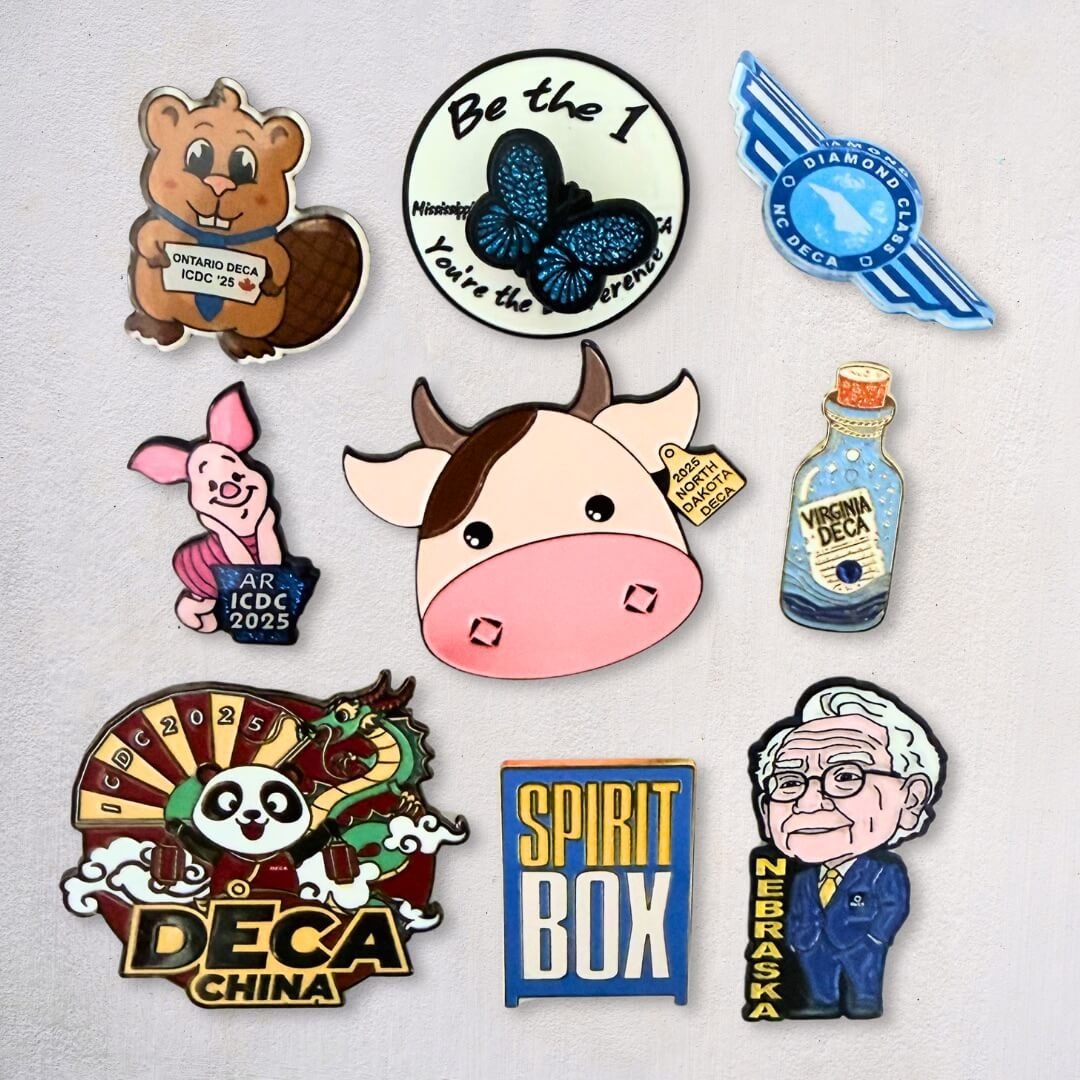
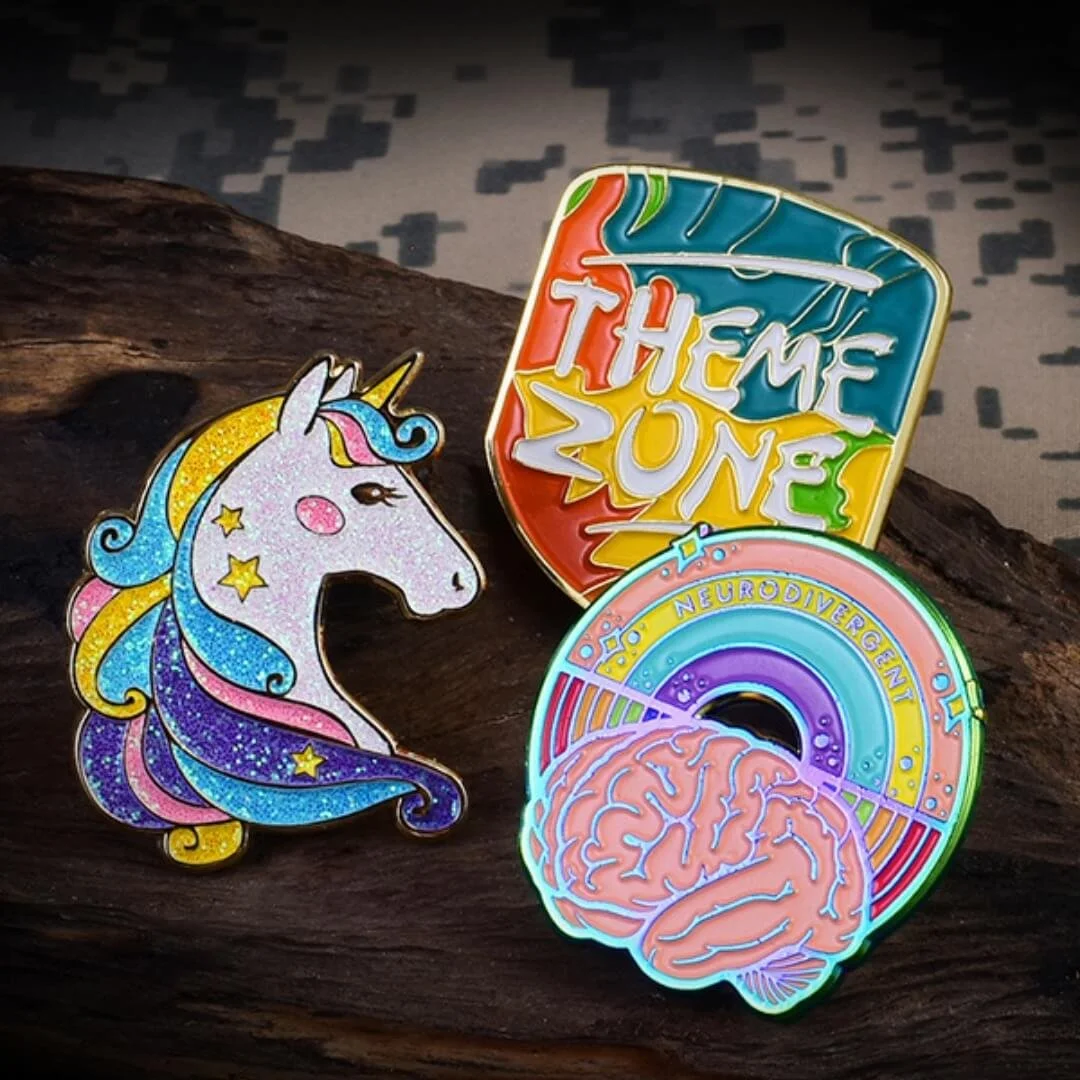
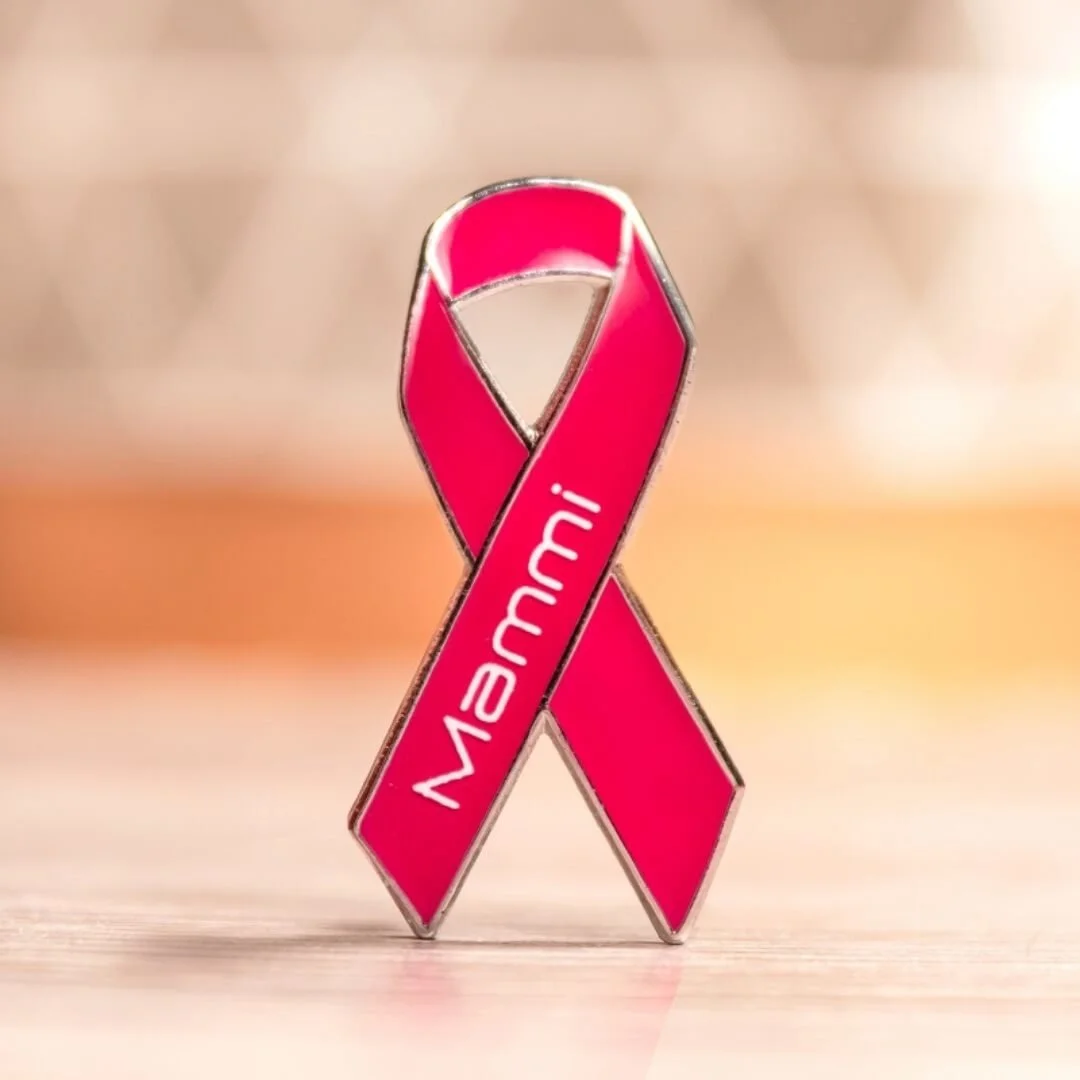
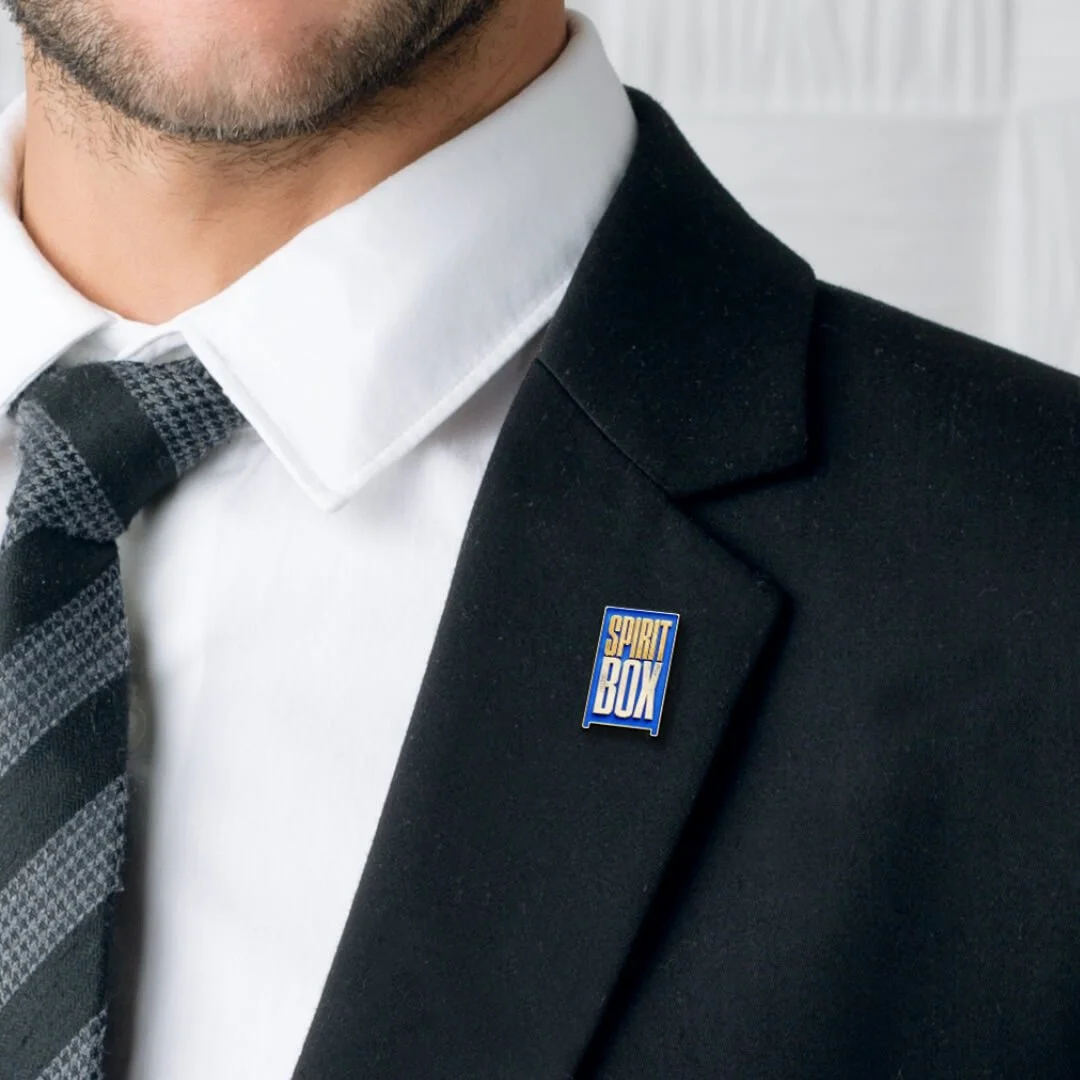
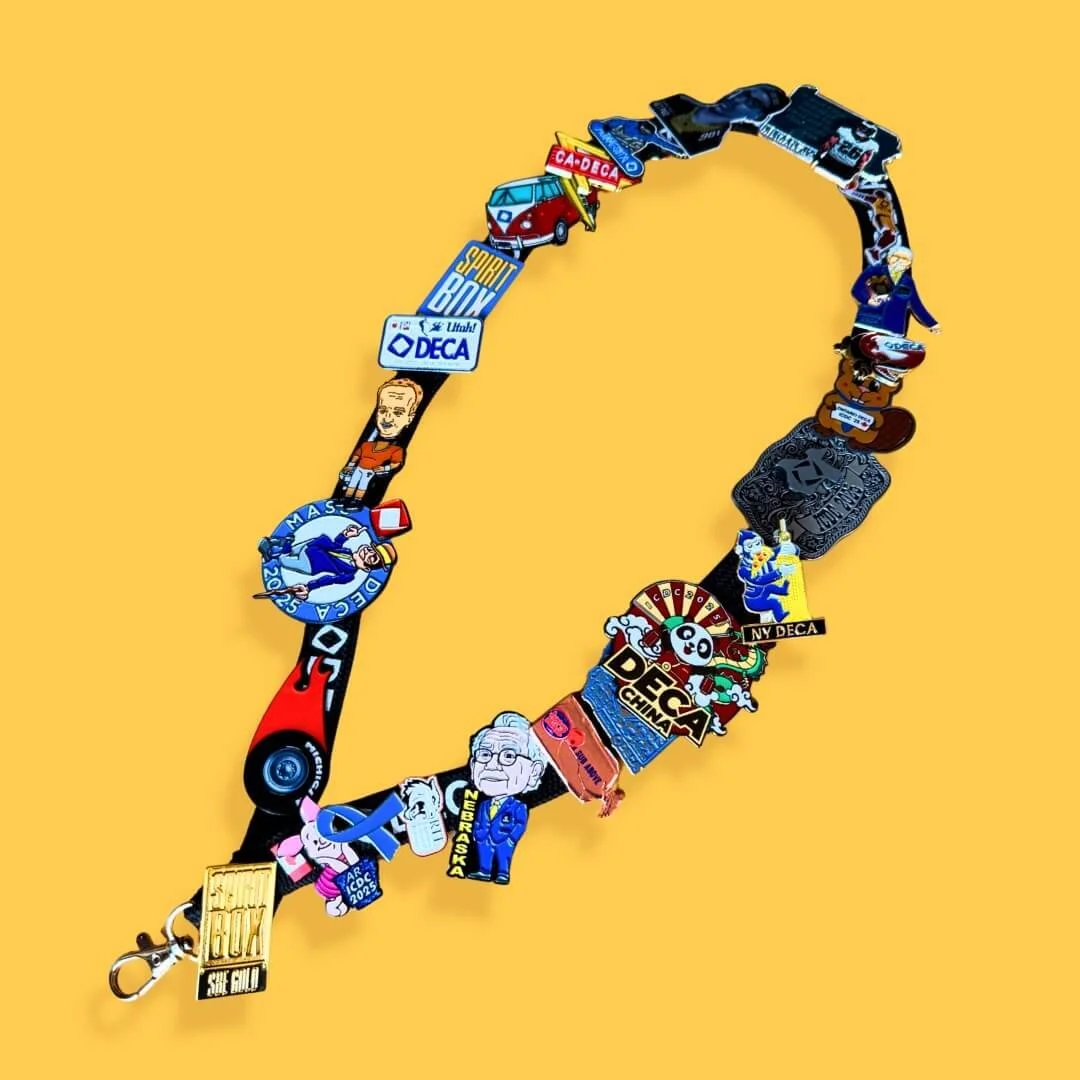
Here's something you wouldn't expect: a branded promotional pin becoming so valuable that high school students trade their prized possessions to get the most popular ones. Some pay money to acquire a pin. Some plan strategically which pins they'll bring from past years to trade for new ones. Some students trade hats, cloths or loan their DECA blazers in exchange for the most sought after pins at that year’s conference. And it doesn’t stop there! They brag and post about them all over Instagram and TikTok.
Custom enamel pins—those small pieces of branded metal you might have considered throwaway swag—have transformed into legitimate trading commodities with their own viral economies. Some pins from states like Texas, Colorado, and California become so sought-after that they command 5-for-1 trades. Students literally line up to get them.
How did a simple promotional item become conference currency? And more importantly, what does it take to create a pin that generates that kind of buzz?
The Rise of Enamel Pin Culture
Custom enamel pins have experienced a remarkable comeback over the past decade. What was once primarily associated with military medals and vintage Disney collectibles has evolved into a mainstream phenomenon embraced by businesses, schools, nonprofits, and individuals alike.
The appeal is multifaceted. Unlike disposable promotional items that end up in the trash, enamel pins are keepsakes. They're small enough to be affordable in bulk yet substantial enough to feel valuable. They transform clothing, bags, lanyards, and bulletin boards into personal canvases for self-expression. In an increasingly digital world, there's something refreshingly tangible about a well-crafted pin.
Why Organizations Choose Custom Enamel Pins
Brand Recognition That Lasts Unlike flyers or business cards, enamel pins stick around—literally. When someone pins your design to their jacket or backpack, they become a walking advertisement for your brand, school, or cause. The longevity of enamel means your message can be displayed for years without fading or deteriorating.
Affordable Impact For organizations working with limited budgets, custom pins offer exceptional value. Bulk pricing makes them cost-effective for large orders, while their perceived value far exceeds their actual cost. A $2 pin can generate as much goodwill and brand visibility as promotional items costing significantly more.
Perfect for Trading and Collecting The collectible nature of pins has created entire subcultures around pin trading. DECA students trade pins at international conferences. Disney enthusiasts collect and swap limited-edition park pins. Convention attendees hunt for exclusive designs. This trading culture amplifies your reach exponentially—one person's pin collection introduces your brand to dozens of others.
Versatility Across Industries Custom enamel pins work for virtually any purpose: employee recognition awards, fundraising merchandise, event souvenirs, team identification, achievement markers, or pure brand promotion. Their adaptability makes them a smart choice for organizations of all types and sizes.
The ICDC Phenomenon: Where Pins Become Legendary Commodities
If you want to see enamel pin culture at its most intense, look no further than DECA's International Career Development Conference (ICDC). Every April, thousands of high school students converge on a single city for competition, networking, and one of the most anticipated traditions: pin trading. But this isn't casual swapping—it's a full-blown economy.
At ICDC, certain pins achieve legendary status. In Orlando 2025, Idaho's Polaroid camera design became an instant sensation. Oregon's Tillamook ice cream pin had students hunting across the conference hall. The limited-edition "BowtieGOAT" pins? People were making deals to get their hands on those. Florida's palm tree sunset and Texas's belt buckle design commanded premium trades all weekend.
But the real power players? Texas, Colorado, and California consistently dominate the pin trading hierarchy. Texas DECA shows up with massive, high-quality pins—often with blinking lights—and throws in cowboy hats as trading sweeteners. Colorado's music note pins with flashing LEDs have become conference staples. California rolls out rock-and-roll themed designs with specialty lighting effects that make them instantly recognizable across a crowded ballroom.
Then there's Guam. Their pins are so rare and coveted that acquiring one is considered a major win. Students will trade 5, sometimes 7 pins to get a single Guam design.
The trading dynamics reveal a sophisticated understanding of value and scarcity. A basic pin might get you a 1-for-1 trade. A good pin with clever design? Maybe 2-for-1. But pins with special effects, large sizes, or state-specific creativity that captures something unique? Those command 3-for-1, 5-for-1, even higher ratios. Students aren't just trading—they're negotiating, strategizing, and actively buying pins online or from other attendees to complete collections or gain leverage for future trades.
At the 2024 Anaheim conference, Oregon DECA's design was so popular that students were offering multiples just to get one. Texas pins and hats became such hot commodities that some students pre-arranged trades before even arriving at the venue.
The social impact is profound. Pin trading transforms a large, potentially intimidating conference into an interconnected network. A student from Montana approaches someone from New Jersey because they want that specific pin design. These micro-interactions—hundreds of them happening simultaneously across the conference—create bonds between students who might never have otherwise connected. Instagram handles get exchanged. Friendships form. The pins become physical tokens of those relationships.
For schools and DECA chapters, the pressure is real. Showing up with generic designs means sitting on the sidelines of this vibrant economy. But chapters that invest in creative, high-quality pins find themselves at the center of the action. Their students become connectors, their school gets remembered, and their pins end up in collections across all 50 states.
The phenomenon has spread beyond DECA. FBLA, HOSA, SkillsUSA, and debate tournaments have all adopted pin trading cultures, each developing their own hierarchies of desirable designs and trading norms.
What Makes a Pin Go Viral?
Looking at the patterns from years of conference trading, certain elements consistently separate forgettable pins from legendary ones:
Special Effects Create Instant Demand Blinking LEDs, flashing lights, or moving parts transform a standard pin into something people actively hunt for. Texas and Colorado have mastered this—their light-up designs become instant conversation pieces and trading magnets.
Size Matters Larger pins command attention and signal investment in quality. Texas's oversized designs make a statement before any trading even begins.
State-Specific Creativity The pins that go viral capture something authentic and unique about where they're from. Idaho's Polaroid camera, Oregon's Tillamook ice cream, Florida's sunset palm tree—these aren't generic designs slapped with a state name. They tell a story. They reference culture, inside jokes, or regional pride that resonates.
Quality Over Quantity Students can immediately spot cheap pins versus well-made ones. The weight, the enamel finish, the metal quality—these details communicate whether your organization took pin trading seriously.
Limited Quantities Drive Scarcity Guam's pins are legendary partly because they're rare. Strategic scarcity makes your pins more tradeable, not less.
Work With a Team That Gets It
Here's the reality: creating a pin that becomes a trading commodity requires more than just placing an order. It demands creative thinking, understanding of what makes designs pop, and technical knowledge of what's possible with enamel pin manufacturing.
The difference between a pin that sits in someone's backpack and one that generates a trading frenzy often comes down to the design process. Are you working with a manufacturer who simply executes what you send them? Or are you partnering with a team that actively helps you develop concepts, suggests special effects, understands sizing strategy, and knows which design elements translate well to pin format?
The best pin manufacturers act as creative collaborators. They'll tell you when flashing lights would elevate your design. They'll suggest ways to incorporate state-specific elements that resonate. They'll help you navigate the balance between bold creativity and production feasibility. They understand that your pin isn't just metal and enamel—it's your school's currency at a major event.
When you're planning pins for ICDC, FBLA nationals, or any conference where trading culture exists, you need a partner who:
Understands the conference culture and what makes pins tradeable
Offers specialty options like LED lights, oversized formats, or unique materials
Provides genuine design consultation, not just order processing
Can show you examples of successful trading pins they've created
Respects your timeline (because conference dates don't move)
Works within school budgets while maintaining quality that commands trades
The schools that consistently show up with sought-after pins aren't just lucky. They're working with manufacturers who understand that a $2 pin can become a $10 commodity—if it's designed right.
From Promotional Item to Trading Commodity
When you give people something they genuinely value, they don't just keep it—they collect it, talk about it, and turn it into social currency..
But creating pins that achieve this level of impact requires more than just an order form. It requires creative vision, technical expertise, and understanding of what makes designs resonate in trading environments. Whether you're planning for ICDC 2026 in Atlanta, FBLA nationals in June, or any event where pin culture thrives, your choice of manufacturing partner matters as much as your design itself..
The schools that consistently create legendary pins aren't working harder—they're working with teams that understand the difference between filling an order and creating a commodity.
Frequently Asked Questions About Custom Enamel Pins
-
Hard enamel pins have a smooth, polished surface where the enamel is filled to the same level as the metal borders, then polished flat. They're more durable and have a premium feel. Soft enamel pins have recessed enamel that sits below the raised metal lines, creating a textured surface. Soft enamel is typically less expensive while still maintaining excellent quality. Both styles are durable and professional-looking.
-
This varies by manufacturer, but many suppliers now offer minimums as low as 25-50 pins, making custom designs accessible even for small organizations. However, per-unit costs decrease significantly with larger orders, so ordering 100-500 pins often provides the best value.
-
Standard production typically takes 2-4 weeks from design approval to delivery. This includes manufacturing time and shipping. Rush orders may be available for an additional fee if you're working with a tight deadline. For event-specific pins like conferences or graduations, it's wise to start the process at least 6-8 weeks in advance.
-
Absolutely. Reputable pin manufacturers always provide digital mockups or physical samples for approval before going into full production. This ensures the design, colors, and details meet your expectations. Never work with a supplier who won't provide proofs.
-
Vector files (AI, EPS, PDF) are ideal because they can be scaled without losing quality. However, most manufacturers can work with high-resolution PNG or JPG files as well. If you don't have a polished design, we have designers who can transform your concept into production-ready artwork.
-
Enamel pins use Pantone Matching System (PMS) colors for precision. Most manufacturers can match your exact brand colors. Keep in mind that very fine details or extremely small text may not translate well to pin format. Simpler, bolder designs with good contrast tend to work best.
-
The most common backing is a butterfly clutch (also called a military clutch), which is secure and easy to use. Other options include rubber backs for extra grip, magnetic backs for clothing without puncture holes, and locking backs for maximum security. Your manufacturer can recommend the best option based on your intended use.
-
Yes. Quality enamel pins are extremely durable and designed to last for years. The metal base (typically iron, brass, or copper) is sturdy, and the enamel coating is scratch-resistant. Proper care—avoiding excessive bending of the pin post and storing pins safely when not in use—will keep them looking great indefinitely.
Ready to upgrade your promotional product strategy for 2026? Let’s talk! Contact us or call (417) 884-8826 to start your project with Spirit Factory.